
Drew Thayer
Fall has arrived in the Rockies with an extra gift this year: unseasonably warm temperatures are keeping high country trails open deep into the Fall season, allowing runners a rare chance to visit our favorite high elevation trails during this season of rich color and crisp blue skies. I’ve already made some special memories and it looks like they’ll keep coming for another week or so.
Patagonia Running Kit 2024 – 2025
With big runs on the mind, I’d like to review the running gear and clothing that’s made it into my weekly rotation the last few years. I’m a creature of habit when it comes to running kit: once I find something I like I tend to use it all the time, and I need to test out new gear rigorously to let it into the “running bag” – the grocery bag that’s always packed with enough clothing and fuel for a long trail run, ready so can grab it and head out the door when a window of time opens up. For the last 3 years the running bag has stabilized around a few key items, with one or two recent additions. Let’s take a look.
Patagonia Slope Runner Vest
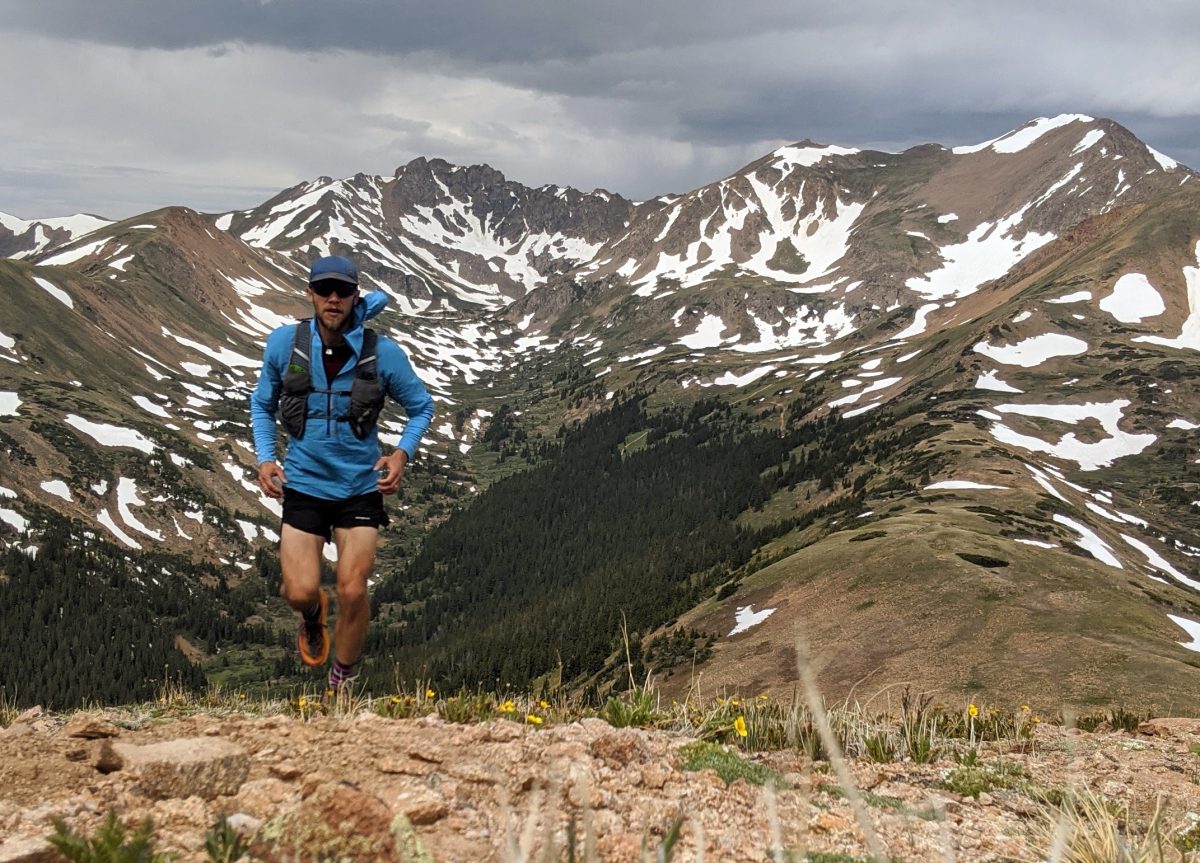
The only running vest that wears like clothing. Other running vests are backpacks scaled down to vest size – this is a shirt scaled up to hold a minimal amount of cargo. Once I started trying this running vest in 2020 I’ve never looked back – it’s been on me for every longer trail run of the last 4 years. 2500 miles later I still grab it every single time I run further than about 6 miles because it’s just such an easy and comfortable way to carry a bit of kit on a run. I don’t even notice the vest is there.
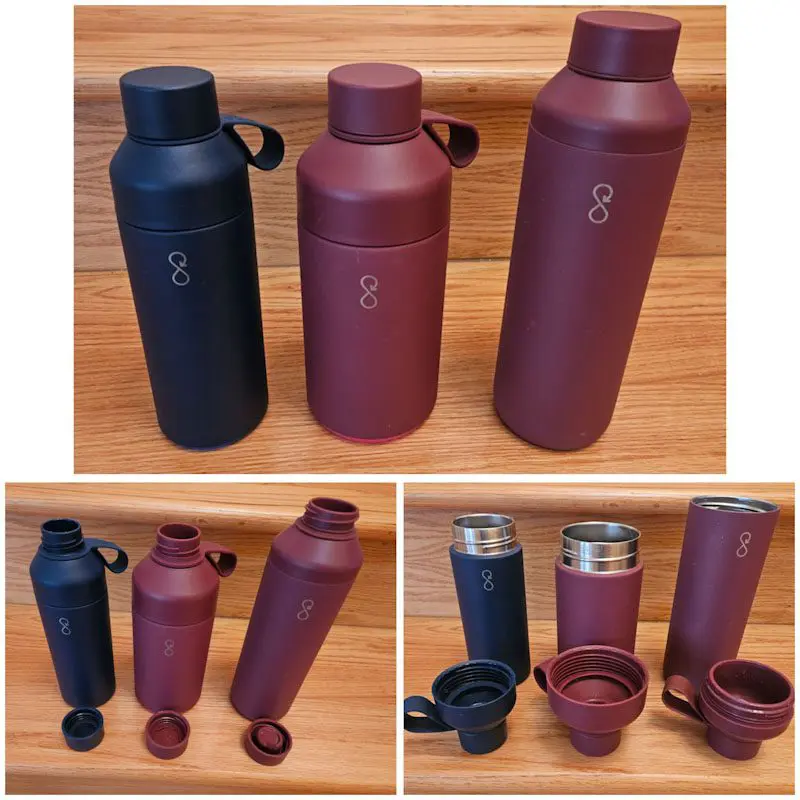
The Slope Runner vest offers you two layers of mesh pockets on the chest, which is genius. This is the most user-friendly configuration I’ve tried out. I typically put the 500 mL flasks in the longer pockets where they stay put, my phone in the left shorter pocket, and a gel packet, bar, light beanie etc in the right pocket. I can fit a couple full-size energy bars if I need to without noticing. These pockets are such a convenient way to carry water, fuel, and a phone for consulting a map – I never notice the swing weight and I can drink or consume a gel packet without breaking a stride.
There are two pockets on the back – a small, high packet below the back of the neck and a long mesh tube that spans the bottom of the best across the mid-thoracic spine. Usually the top pocket only has my truck key, but I’ve used it to carry a headlamp or extra food. The low tubular pocket is genius: this is where I carry extra layers. Typically in colder temps (or a high-country run in summer) I stash the Airshed Pro pullover, a pair of gloves, and a second long sleeve shirt in this tube. Over 2500 miles nothing has ever fallen out and I never notice the stuff back there, but I can shuck gloves and stash them in or visa-versa on the fly. It makes it super easy to carry and change layers.
The last feature I use on this simple vest is the set of carry loops for trekking poles which were added about 2 years ago. Literally just two loops of 2 mm elastic cord, these allow a runner to carry stowed trekking poles flat across the back. This is really the only feature on this vest that is not best-in-class; the tight carry across the back is not as comfortable as vertical or diagonal pole carries on larger vests and I definitely notice the tension of the poles pressing into my thoracic spine sometimes. That said, I only use lightweight trekking poles (I like the BD carbon fixed-length poles) on a handful of big-vert mountain runs each year, and I often just hold them in my hands the whole time unless there’s a long road intro where I’ll stash them on the vest. It hasn’t been a big annoyance for me.
‘Nuff said. The only vest I run in unless I need to carry a lot more stuff, like a second pair of shoes for scrambling. Fits like a shirt instead of a vest, everything you need and nothing you don’t. For more details check out the 2020 review here [https://engearment.com/running/patagonia-slope-runner-endurance-vest/]

Patagonia Airshed Pro pullover
My second most-used piece of running gear and the only windbreaker I’ve worn for running the last 4 years, this is the perfect layer for running – just thick enough to block a bit of wind, but ridiculously breathable so you can leave it on. In Colorado it’s cool enough to want a windbreaker in the morning at least half the year. I used to start running in a windbreaker and invariably stop to peel it off 10-15 minutes in, wet all over from condensation which then chilled on my damp clothing. I don’t have that problem anymore because this Airshed Pro pullover hits the balance of warmth vs breathability so well.
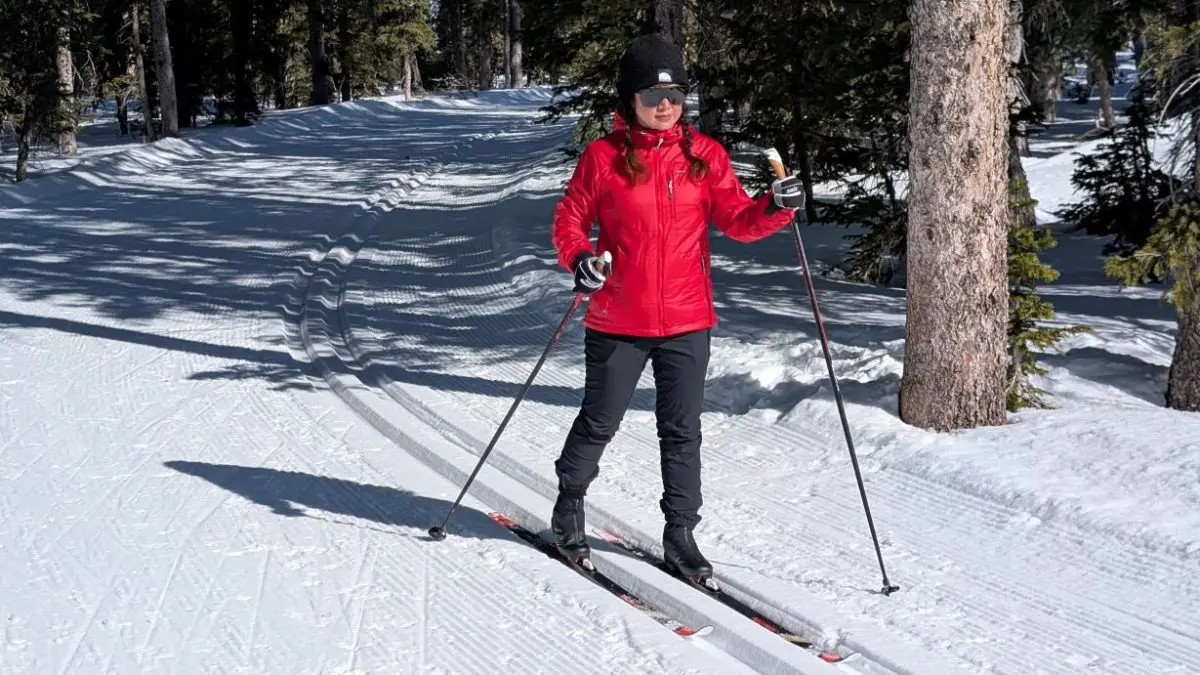
I’ve worn the Airshed Pro pullover on everything from spring morning runs around the neighborhood to scrambling the Flatirons, high country running, even scrambling technical ridges on Longs Peak. I’ve skied hundreds of miles on the nordic track in this thing too – unless it’s in the single digits a normal windbreaker doesn’t breathe well enough, and the Airshed Pro works great for a high-output winter aerobic sport like skate skiing. It’s remarkably durable too – I’ve logged something like 1200 miles running in this plus a few hundred miles on skis and bikes and there are just a few minor scuffs.
This is a minimalist piece targeted for aerobic athletes. No pockets. Light, wind-breaking fabric on the chest and back with stretchy, breathable arms. The short chest zipper allows you to dump a little heat but keeps it simple. The tight, stretchy hood has definitely saved my ears from freezing on many occasions where I misjudged the forecast and forgot to bring a warm hat. If I could change anything, it would just be to add about ½” length in the sleeves and thumb holes for those times I’ve gotten caught on cold, windy ridges without gloves. Other than that, it’s my favorite piece of running clothing, always in my running bag and typically in the back pocket of my running vest most of the year.

Patagonia Running Kit 2024 – Drew Thayer of Engearment.com
Hoka Speedgoat 6 running shoes
It took some convincing and testimonials of trusted friends for me to try Hoka shoes. With their garish colors and ridiculous stack height (which is quite normal now) I remember thinking they looked like clown shoes, and why would I possibly need all that foam? Well, fast forward a few years and I see Hoka shoes everywhere from trailheads to gyms to nurses working shifts in the hospital. Clearly Hoka is onto something – vastly popular semi-supportive and long-wearing shoes. Their road running shoes do sucha good job for people that work on their feet that I bought my wife a pair of Hokas when she was pregnant with our second child after she crushed through softer shoes with the first kid. And the Speedgoat line has been my shoe of choice for every long and high-vert run since I first tried them in 2019.
The Speedgoat is now up to version 6. I own v5 currently, and since I got on the train with version 2 I can say that this line does not suffer wild swings in philosophy like some shoe lines are prone to do, but sticks to a pretty consistent plot with minor optimizations: a roomy, high-cushion trail shoe with a bit of heel drop, aggressive outsole, a bit of rocker, and a long-wearing midsole. The Speedgoat absorbs impact over long runs exceptionally well and seems to have just the right geometry to reduce the wear and tear of running downhill. As such, it’s been my shoe of choice for every run over 10 miles and/or 2000’ vert for the past 5 years.
Without getting too technical with the details, the Speedgoat is just exactly what I need for long, hilly runs with a lot of up and down. The rocker helps the pace glide a bit on faster sections of the run. The tread pattern handles gravel, bare rock, and a bit of mud. The 33 (front) to 38 (rear) millimeter stack height, which seemed ridiculous 10 years ago, hits the sweet spot for cushioning on runs of 10+ miles or more than 2000’ vert, and the midsole retains its responsive qualities well into the life of the shoe. On that note, Speedgoats have been my longest-wearing shoes; I’ve run several to 400 miles, while some other brands I’ve had to retire to housework at 300 miles when the midsoles pack out. On the outside, the shoe has vents but is pretty tight and non-absorbent, which helps keep things dry on mountain runs, plunging through some snow patches and running through brush wet with dew. The foot opening is pretty tight, keeping debris out pretty well, although I tend to wear minimalist gaiters for long or early-season mountain runs. All told, a durable and purpose-build shoe that somehow packs all this into 9.8 oz, which feels light on the feet.
If there were one attribute of the Speedgoat shoe that is the deciding factor for me, it’s descending. It’s the only shoe I can use to pound down 2000 feet – descending the local Flatiorns, for instance – and keep my knees and hips happy. Big run: Speedgoats. That simple.

Patagonia Capilene Cool Daily long sleeve shirt
This is getting kinda nerdy, but I do have a favorite long sleeve shirt for running. Patagonia just nailed it with the Capilene Cool Daily fabric: the range of temperatures this shirt is comfortable in is immense. I think the secret is that this fabric is light, but a very tight weave and somewhat slick. This gives it properties that are comfortable in hot weather, where it feels like a sun shirt – slides on the skin, doesn’t get clammy, breathes well – while it’s equally comfortable in cold weather, where the tight weave blocks a bit of wind. Somehow I’ve been happy running in this shirt in temperatures ranging from 25 degrees to 75 degrees, from the desert canyons to mountain summits. I almost always have it with me on long runs; if I don’t start wearing it I’m carrying it in the Slope Runner vest for the windy ridges higher up.
Fantastic all-rounder shirt, so versatile that once I bought a second one I got rid of multiple long sleeve shirts because I just never wore them anymore. I frequently use it for cycling, spring nordic skiing, late spring backcountry touring, and as a base layer for rock climbing, not to mention pretty much every time I go running in temps between the 30s and 60s.

Altra Timp 5 running shoe
While the Hoka Speedgoat with its splayed rear cushion and 5 mm drop treats my legs the nicest on big climbs and descents in the mountains, the majority of my running is on flatter ground and shorter trails. After solving a back pain problem in my 20s with zero-drop shoes I try to wear zero-drop shoes whenever possible in town life and in sport, so I’ve gravitated to Altra running shoes. While I haven’t found an Altra shoe that feels as good as the Speedgoat for my biggest runs, those Hoka shoes are just too much for most of my running, and I can feel the slight heel lift on flat ground.
After trying a season each in the Lone Peak, Timp 2, and Superior 5, I’ve come back to the newest Timp version 5 as my favorite daily driver trail running shoe. This is the shoe on my feet for 80% of my weekly trail miles, which are mostly routes in the local foothills that offer 800’ to 1500’ of vert over 5-8 miles. I’ll also use them in town when there’s snow on the ground. Somehow Altra dropped the weight a bit from the last iteration so version 5 of the Timp is 9.8 oz – nice a light for a mid-cushion trail shoe.
To me, the Timp 5 shoe is a textbook zero-drop trail running shoe for varied terrain. It’s even classy. It retains Altra’s roomy toe box yet keeps things tight – no bulbous molded foam appendages, no ridges or ruffles sticking out into the trail. The boundary of the shoe stays pretty close to the boundary of your foot, which is nice in rocky terrain and keeps them surprisingly nimble for their moderate stack height (29 mm). While subtle, the toe is more tapered in both horizontal and vertical profile than previous versions so it’s less prone to catch on roots and rocks. This shoe is broad and stable, but somehow gets away with looking a bit more slim and contained. Overall I think it’s a beautiful shoe that handles pavement to wet to loose to rocky just fine.
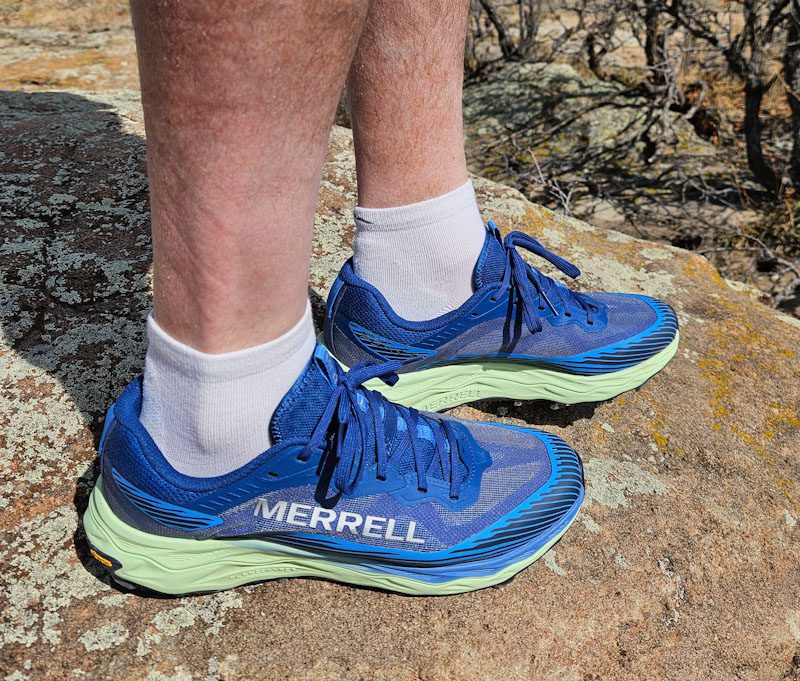
Let’s talk about running on rocks. The fifth version of the Timp has been updated with a Vibram Megagrip outsole. This is the rubber that until recently was almost exclusively found on approach shoes or the sportiest scramble-oriented technical runners like La Sportiva’s Mutant or Scarpa’s Ribelle Run. Megagrip is the gold standard for running/scrambling shoes on rock and it adds an entire new dimension to what you can do with the Timp 5. These shoes now grip confidently on boulders, talus fields, and angled slabs of rock, making them a nice companion for low-level scrambling and off-trail exploration. You’re not going to do any real edging with the broad toe box, but I’ve had a lot of fun running rocky trails and using these as approach shoes for climbs in the mountains that have a good deal of trail hiking.
Overall the Timp 5 is a well designed moderate cushion, zero-drop, neutral trail shoe, that works best in flat to moderate terrain, with a Megagrip sole to let it play off-trail on boulder fields and exposed bedrock as well.

Drew Thayer


Leave a Reply